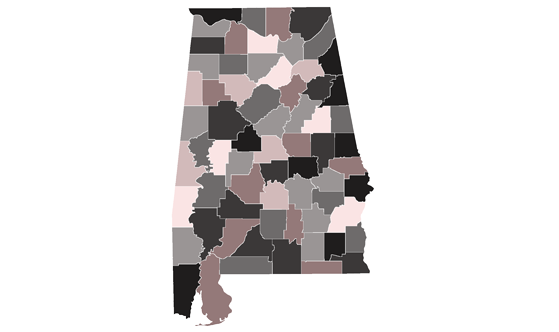


In rural Alabama, community-based specialty clinics say low Medicare payments are threatening their ability to stay open, forcing patients to travel hours to hospitals for the same lifesaving care.
The 2026 Physician Fee Schedule under the Centers for Medicare and Medicaid Services offers the first reimbursement increase for office-based care in six years, and some providers call it a small step in the right direction. Still, doctors warn that without long-term structural reforms from Congress, many of these clinics could be forced to close for good.
Dr. Christopher Jahraus, a radiation oncologist in Alabaster, said his clinic is just one example, "because for doing the same procedure that I do, if you were to slap the name of a hospital on my building, I could get more than 50% more reimbursement without changing a thing. That is absolutely appalling."
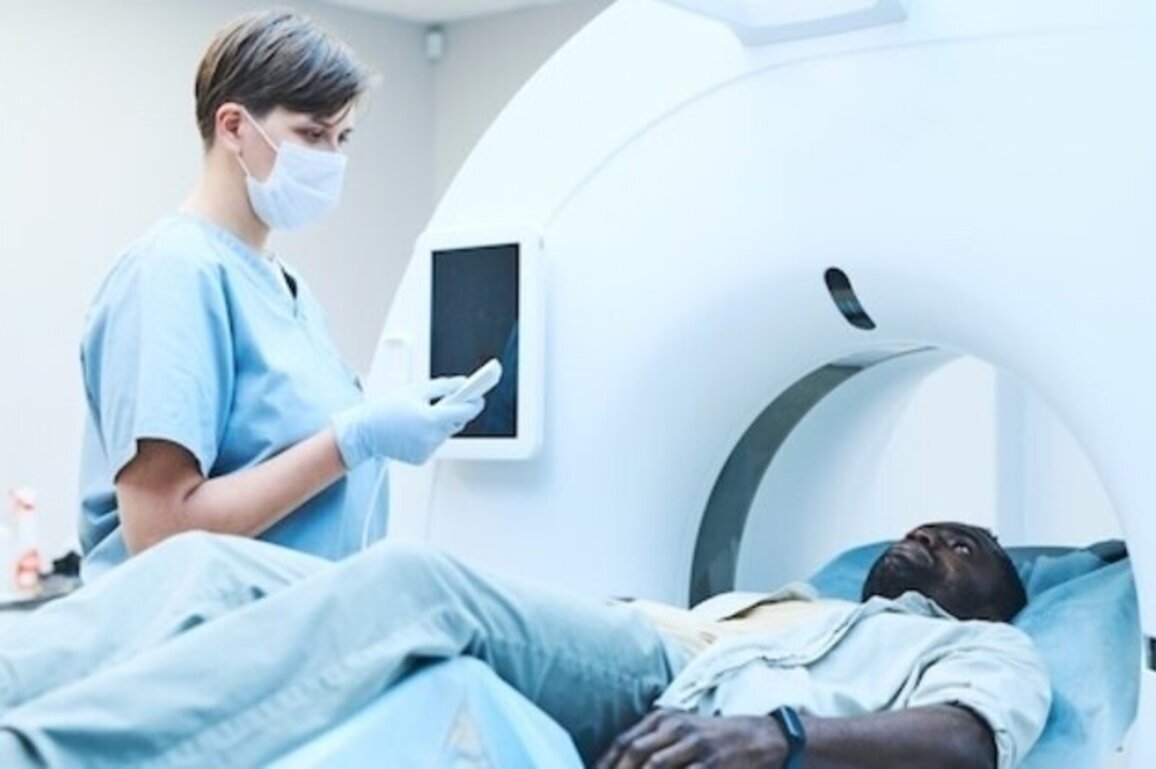
The same payment gap affects interventional cardiology, vascular surgery and other community-based specialties that rely on high-cost equipment.
The Centers for Medicare and Medicaid Services finalized the 2026 updates under the Trump administration. Officials say the goal is to reduce waste, reward primary care and shift the nation from a "sick-care system to a true health care system." But providers say a new 2.5% efficiency adjustment effectively penalizes clinics for using advanced technology to work faster.
Jason McKitrick, executive director of the Office-Based Facility Association and co-author of a peer-reviewed study on the issue, said the Medicare physician fee schedule was never designed to handle high-cost supplies and equipment.
"The Physician Fee Schedule has been subsidizing hospital setting for decades," he said. "So we think that the answer here, and this is just from a broad policy perspective, is to take that practice expense out of the Physician Fee Schedule and use what is called the Hospital Outpatient Fee Schedule to reimburse for these office-based practice expenses."
McKitrick argued that in order to keep community care viable, Congress needs to finish the job with legislation that fairly pays independent clinics for high-cost equipment.
Source: Public News Service